
Why Home Blood Pressure Readings So Often Mislead
Learn how technique, timing, stress, and device limitations affect home blood pressure monitoring—and how to collect more trustworthy readings.
A Blood Pressure Number Is Only as Reliable as the Measurement

Home blood pressure monitoring can reveal useful patterns, but a single number is easy to misread. Cuff placement is one of the most common problems: the cuff should sit on bare skin, with its lower edge just above the elbow and the artery marker aligned as directed. A cuff that is too loose, too small, or positioned over clothing may produce an inaccurate result. The arm should rest at heart level, supported on a table, while both feet remain flat on the floor and the back is supported.
Posture and movement matter because the monitor detects pressure changes in the artery, not simply a fixed vital sign. Crossing the legs, supporting the arm incorrectly, walking immediately beforehand, or talking during the reading can affect the result. Even small technique differences can make readings harder to compare over time. For patients and caregivers, consistent measurement accuracy begins with repeating the same calm routine. A guided app can provide step-by-step reminders, confirm key setup details, and request a repeat when a reading appears affected by poor technique.
Timing, Stress, and Device Limits Can Distort the Picture
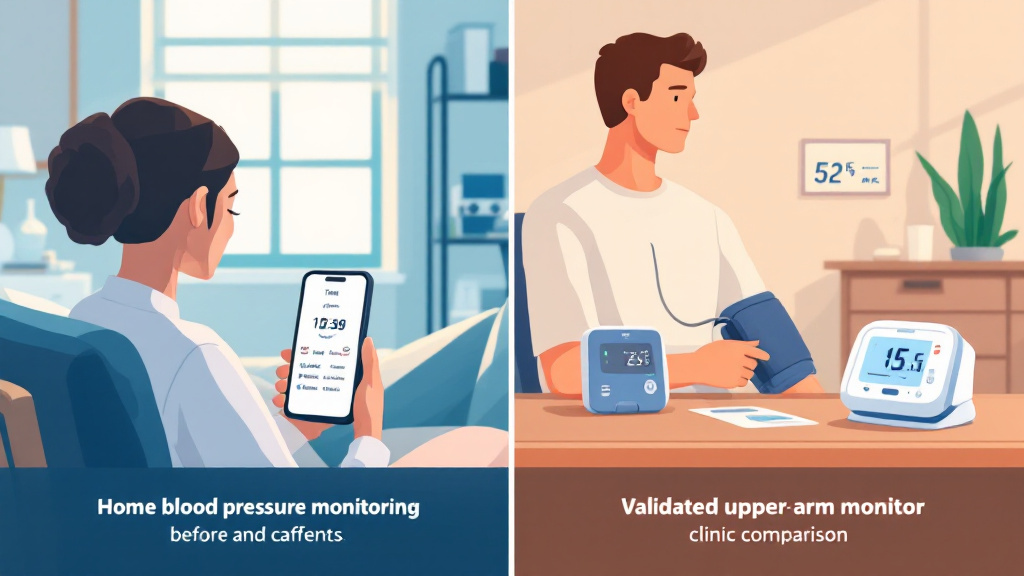
Blood pressure naturally changes throughout the day, so timing can make two readings look very different even when nothing is wrong. Exercise, caffeine, nicotine, a full bladder, pain, poor sleep, and a recent meal may temporarily influence results. Stress can also raise blood pressure, including the worry that sometimes comes with checking it. Taking measurements after a quiet rest period and recording relevant context—such as medication timing, symptoms, or unusual stress—helps clinicians interpret the result instead of viewing it in isolation.
The device itself has limitations. Consumer monitors may vary in quality, lose calibration, use an incorrectly sized cuff, or fail to connect reliably with an app. Wrist and finger monitors can be more sensitive to positioning than validated upper-arm devices. Look for a clinically validated monitor appropriate for the user, follow the manufacturer’s instructions, and periodically compare it with a clinic device when a healthcare professional recommends doing so. Digital tools should explain how data are collected and flag quality concerns; they should not turn one unexpected reading into a diagnosis or replace clinical judgment.
Trustworthy Trends Come From Consistent, Contextual Data
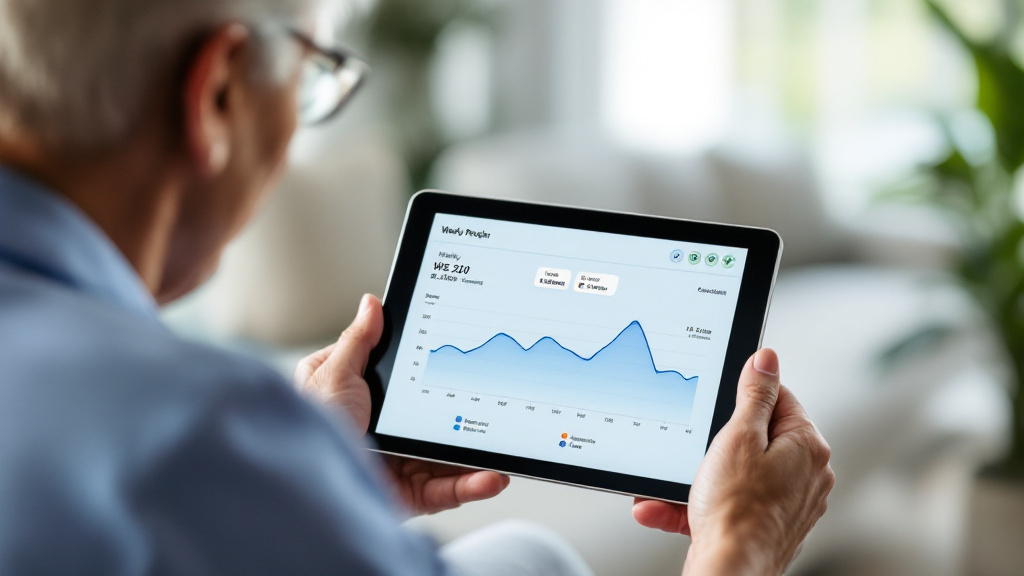
The goal of home blood pressure monitoring is rarely to focus on one isolated result. More useful information comes from a consistent series collected under similar conditions, often at times recommended by a clinician. Follow the prescribed schedule, take the number of readings requested, and record whether each measurement met quality checks. If a result seems unusual, sit quietly and repeat it according to your care plan rather than repeatedly measuring in anxiety. Never change medication based only on an app notification or a single home reading.
Longitudinal data become more actionable when they include context and permission-controlled sharing. A connected system can guide cuff placement, posture, rest, and repeat readings; combine confirmed measurements with medication notes; identify persistent patterns or recurring quality issues; and send a caregiver-approved summary to the care team. Explainable trend analysis supports conversation, but it does not diagnose. Patients should follow their clinician’s escalation instructions and seek urgent help for severe readings accompanied by concerning symptoms. Better technique and better records cannot eliminate every source of variation, but they make the data clearer, safer, and more useful between appointments.